
What to Do If a Client Is Unhappy With a Tattoo: Handling Conflicts Professionally 💔🛠️
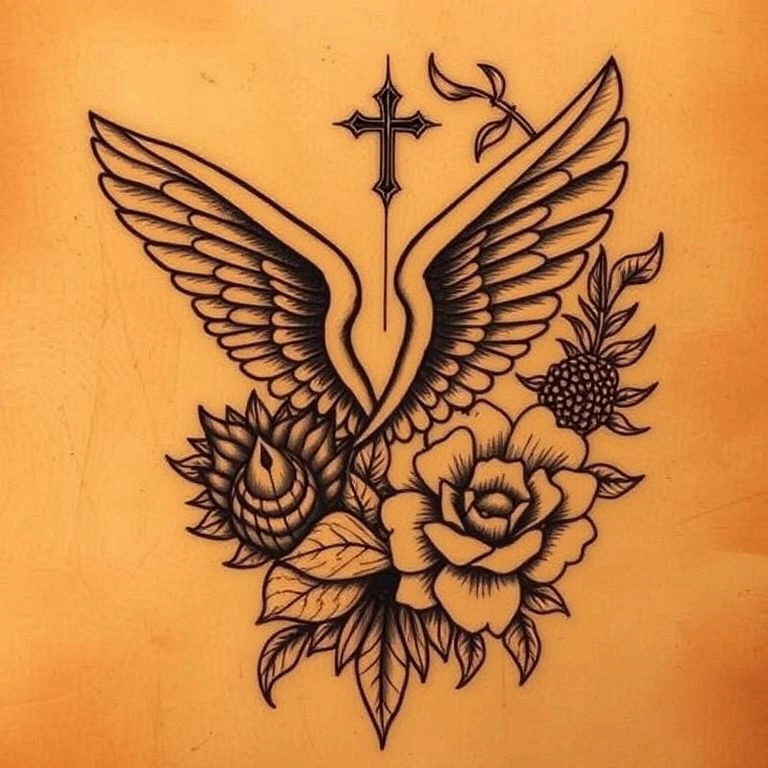
Conflicts are inevitable in the service industry, and the tattoo business is no exception. A client's dissatisfaction may stem from objective reasons (technical inaccuracies) or subjective ones (personal taste changed). Handling conflicts properly is not just about solving the problem—it’s an investment in your reputation.
Step 1: Immediate Response and Information Gathering
1. Actively listen and empathize
Allow the client to express all their concerns without interruption or defense. Acknowledge their feelings. Use phrases like: “I understand your disappointment” or “I’m very sorry the result didn’t meet your expectations.”
- Do not argue: Your goal at this stage is to reduce tension.
- Ask clarifying questions: What exactly is wrong? Color, shape, size, placement, or overall impression?
2. Document the issue
Photograph the work. Compare it with the approved sketch if possible. Clearly record what the client considers a mistake (preferably in writing).
Step 2: Analyze the Situation and Determine Responsibility
1. Review your process
Identify whether the problem lies in the sketch, stencil transfer, technique, or aftercare. Cross-check your records, which should include:
- The client-approved final sketch.
- Signed contract or informed consent (especially important).
- Aftercare recommendations.
2. Classify the dissatisfaction
Dissatisfaction generally falls into two categories:
- Objective mistake by the artist: A line is off, or there is a clear deviation from the approved sketch.
- Subjective dissatisfaction: The client changed their mind, feels the tattoo doesn’t fit their image, even though it was executed exactly as approved.
Step 3: Offer Solutions
Your goal is to propose a solution that restores trust and minimizes losses.
If it is your objective mistake:
You bear full responsibility and should offer one or a combination of the following:
- Correction (Cover-up or Rework): Offer to fix, refine, or cover the tattoo free of charge. This is the most common and effective way to retain the client.
- Partial or full refund: If correction isn’t possible or the client refuses, offer a partial refund (e.g., 50–100%) in exchange for a written agreement of no further claims.
If it is subjective dissatisfaction:
Since the work matches the approved sketch, you have fulfilled your obligation. Nevertheless, be courteous:
- Discount on correction: Offer a cover-up or adjustment at a significant discount (20–50%) as a goodwill gesture, but not for free.
- Credit for future work: Offer a discount on the client’s next tattoo.
Step 4: Prevention for the Future
The best way to handle conflicts is to prevent them:
- Clear sketches: Always provide the client with a fully detailed and realistic sketch for approval.
- Informed consent: The document should clearly state that tattoos are non-refundable services, and the final result may have minor differences from the sketch (due to anatomy, healing, etc.).
- Budget and expectation discussion: Ensure the client understands what they will receive for the agreed price.
Properly managed conflicts can turn a dissatisfied client into a loyal one, and your studio into a place that values not only art but also the client.