
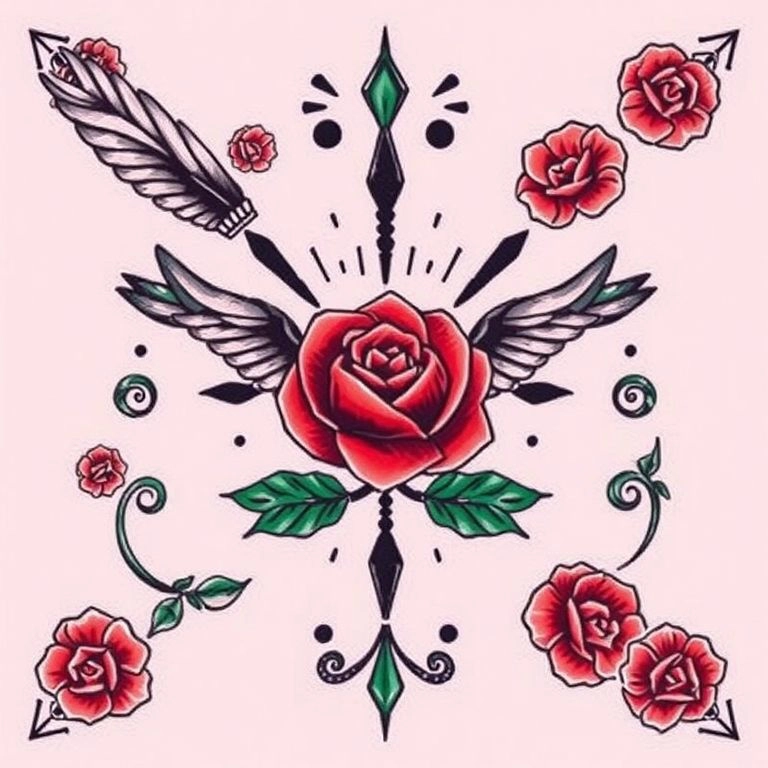
Top 5 Tattoo Myths You Should Stop Believing
Debunking the most common misconceptions about body art.
Myth 1: You can't get a tattoo if you have moles
This myth is outdated. Getting a tattoo does not cause cancer or alter moles. However, the artist must avoid moles, warts, nevi, and other skin formations. The reason is simple: ink injected into these areas can make it harder for a dermatologist to detect changes if a lesion develops (a potential melanoma warning).
Truth: Tattoos do not cause skin cancer, but the artist should leave moles untouched to allow for proper visual monitoring.
Myth 2: Tattoos fade because of bad ink
While ink quality matters, the main cause of fading is UV exposure. Sunlight breaks down ink particles in the skin, causing colors to dull and blur. Tattoos on exposed areas (arms, neck) need constant protection.
Truth: The biggest enemy of a tattoo is the sun. After healing, always apply sunscreen with high SPF to preserve color vibrancy.
Myth 3: Every tattoo has a deep, hidden meaning
Many people still believe that every design has a universal, secret significance (especially dragons, butterflies, or symbols). Today, a tattoo is primarily a form of personal expression.
Truth: The meaning of a tattoo is decided only by its owner. If it’s just a beautiful design to you, that’s enough. Only certain military, prison, and traditional tribal tattoos have fixed meanings.
Myth 4: Tattoos will interfere with an MRI
This myth comes from older inks containing high metal content. Modern certified pigments have minimal iron. In very rare cases (especially with dense, old black tattoos), mild tingling or warmth may occur, but this is not dangerous and does not affect image quality.
Truth: Modern MRIs (magnetic resonance imaging) are safe for tattooed individuals. Always inform your doctor about your tattoos, but don’t fear the procedure.
Myth 5: You can't tattoo stretched skin (e.g., after weight loss)
Tattoos can be an effective way to camouflage stretch marks and scars, including those from pregnancy or significant weight loss. A skilled artist can design a piece that visually smooths or hides skin imperfections.
Truth: Tattoos are a great tool to conceal skin imperfections, including stretch marks. The key is that the skin must be fully healed and not actively stretching.
Look for a professional artist, not myths. They will always provide the most up-to-date guidance on safety, hygiene, and longevity of your future tattoo.