
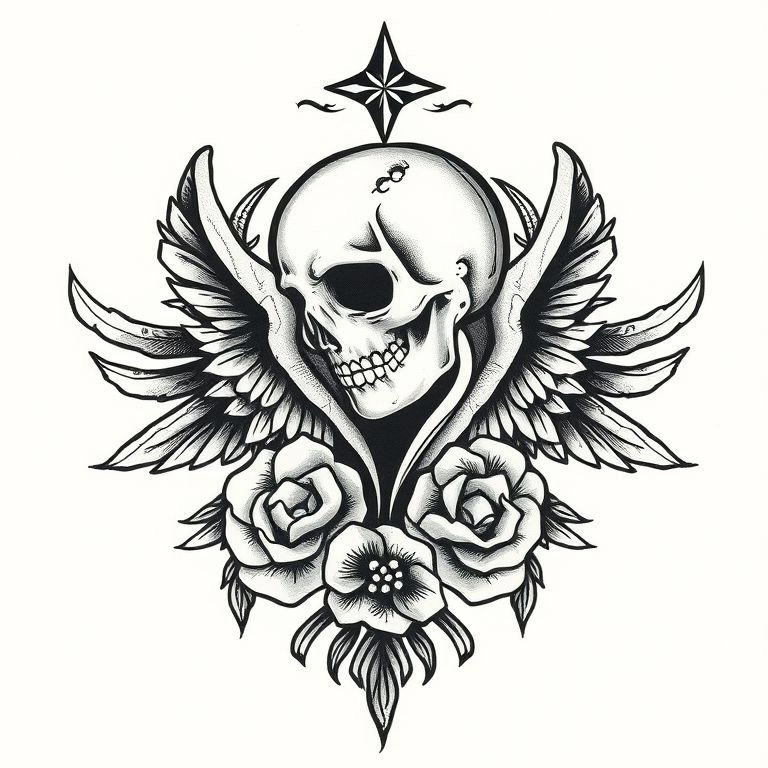
The History of Tattoos: From Tribal Rituals to Modern Fashion
A journey through millennia — how body art became an integral part of global culture.
The Ancient World: From Ötzi to Egypt
Tattooing is one of the oldest forms of art, as confirmed by archaeological discoveries:
- Ötzi the Iceman (3300 BCE): The oldest known evidence of tattooing. Ötzi’s body had about 61 tattoos — mostly dots and lines located near joints. They are believed to have had therapeutic purposes similar to acupuncture rather than decorative meaning.
- Ancient Egypt: Tattoos were most common among women (especially priestesses), often depicting geometric patterns and dots. They likely symbolized fertility, protection, or served as adornment.
- Scythians and other tribes: For these peoples, tattoos were a mark of status and identity, as well as a talisman providing protection to warriors.
Polynesia and Japan: The Cultural Bloom
In these regions, tattooing reached its peak as both an art form and a social institution.
- Polynesia (Tatau): The modern word “tattoo” comes from the Polynesian “tatau.” In Maori and Samoan cultures, tattoos (Ta Moko) were an essential rite of passage reflecting genealogy, rank, wealth, and personal achievements. The process was painful, and tools were made from bone, turtle shell, and wood.
- Japan (Irezumi): Initially used to mark criminals, tattooing in Japan evolved into high art during the 17th–18th centuries, inspired by ukiyo-e woodblock prints. Designs depicted mythological scenes, dragons, and heroes. Irezumi became associated with the working class, firefighters, and later — the Yakuza mafia.
The Return to the West: Sailors, Circus, and Edison
In Europe, tattoos largely disappeared after the rise of Christianity but made a comeback through exploration and naval culture.
- Captain Cook (18th century): The British explorer and his crew brought tattoos back to Europe after visiting Polynesia. For sailors, tattoos became symbols of voyages, bravery, and served as a kind of travel passport.
- The Invention: In 1891, Samuel O’Reilly, building upon Thomas Edison’s electric pen design, created the first electric tattoo machine. This made tattooing faster and more accessible.
- Circus and Parlors: In the late 19th and early 20th centuries, tattoos gained popularity among circus performers (tattooed ladies and gentlemen) and soldiers. It was a marginal, yet rapidly growing art form.
The Modern Era: From Subculture to Mainstream
After World War II, tattoos became associated with subcultures — bikers, rockers, and later punks and goths. But from the early 21st century onward, their status changed dramatically.
- Art Form: Tattoos are no longer seen as symbols of rebellion or low social status. Thanks to new styles (realism, watercolor) and social media, tattooing has evolved into a form of self-expression, personal art, and fashion statement.
- Recognition: Today, tattoo artists are recognized as legitimate creators, exhibiting in galleries and commanding high prices for their unique styles. Tattoos have entered offices, entertainment, and sports — firmly becoming part of the global cultural mainstream.
From the medical markings on the frozen body of Ötzi to the delicate linework of the 21st century — tattooing has always mirrored human history, reflecting our fears, beliefs, and desire for self-expression.